1. The constitutional issue is real and serious
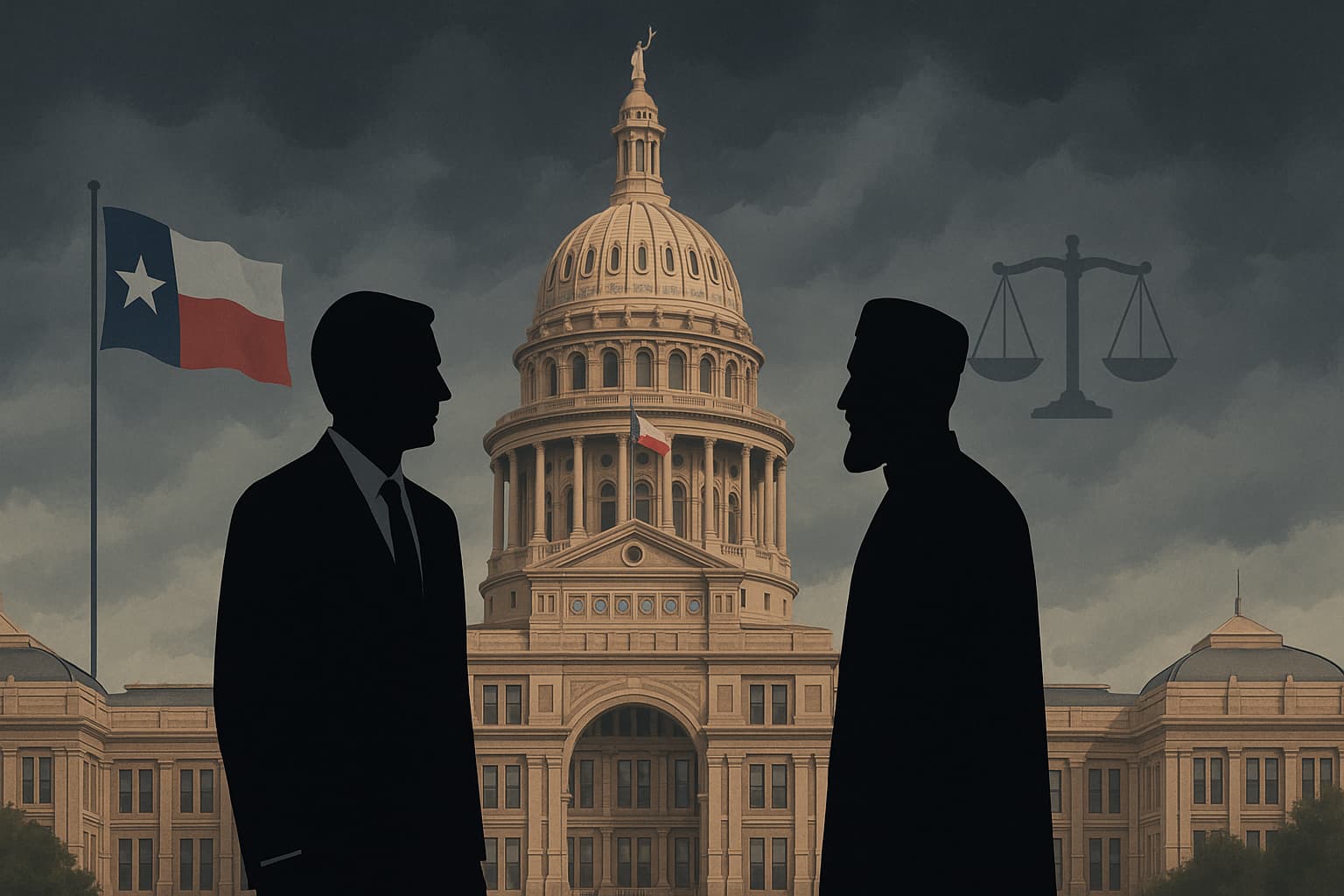
Under US law, only the federal government, through the State Department under the Immigration and Nationality Act, has authority to designate a Foreign Terrorist Organization. A governor unilaterally applying that label is on very weak constitutional footing. Courts have consistently treated terrorism designations as a federal power tied to foreign policy and national security. That alone gives CAIR a strong threshold argument.
2. The order appears punitive without due process
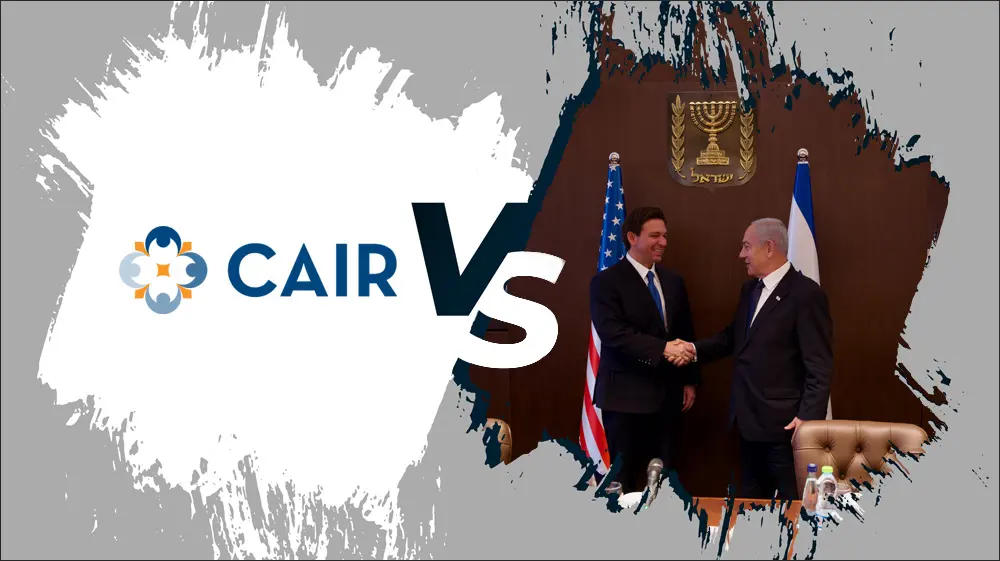
The Florida directive does not rely on a criminal conviction, formal designation, or adjudicated finding. It labels an organization and immediately imposes penalties such as loss of contracts, funding, and employment eligibility. That raises due process and First Amendment concerns, especially when the affected organization engages in litigation, advocacy, and speech that is clearly protected activity.
3. Chilling effect on speech and association
The lawsuit’s claim that this targets advocacy for Palestinian human rights is not trivial. Even if a court ultimately rejects that motive, the practical effect is chilling. Labeling a civil rights group as “terrorist” sends a warning to donors, partners, lawyers, and even ordinary Muslims who might associate with the group. Courts are historically skeptical when government action deters lawful political speech or association.
4. The Muslim Brotherhood comparison is legally distinct
Conflating CAIR with the Muslim Brotherhood is strategically useful politically but legally problematic. The Muslim Brotherhood is a transnational movement with factions, some of which are designated or under scrutiny. CAIR is a US incorporated nonprofit with a long litigation history in American courts. Lumping them together without individualized findings weakens the state’s case.
5. DeSantis and Abbott are likely testing judicial limits, not expecting to win outright
This looks less like a carefully constructed legal maneuver and more like a deliberate provocation. The “I look forward to discovery” comment reinforces that this is partly political theater aimed at energizing a base, reframing Muslim civil rights advocacy as suspect, and shifting public debate rather than surviving strict judicial review.
6. Courts will likely narrow or strike this down
Based on existing precedent, the most likely outcomes are:
- A preliminary injunction blocking enforcement
- A ruling that states lack authority to apply terrorist designations
- A finding that the order violates First Amendment protections
Even conservative courts have historically been cautious when executive power collides with speech and association rights.
7. Broader implications for civil society
If allowed to stand, this would set a dangerous precedent. Any governor could label disfavored advocacy groups as security threats and cut off funding or contracts without trial or evidence. That risk extends far beyond Muslim organizations and should concern anyone who values constitutional limits on executive power.
Bottom line
This case is less about CAIR specifically and more about whether states can bypass constitutional safeguards to punish political advocacy they dislike. On legal grounds, CAIR’s challenge is strong. On political grounds, this is part of a wider effort to normalize suspicion toward Muslim civic participation. Courts exist precisely to draw that line, and history suggests they will.
About the Author

O mankind! We created you from a single (pair) of a male and a female, and made you into nations and tribes, that ye may know each other (not that ye may despise (each other). Verily the most honoured of you in the sight of God is (he who is) the most righteous of you. And God has full knowledge and is well acquainted (with all things). ~ Quran 49:13