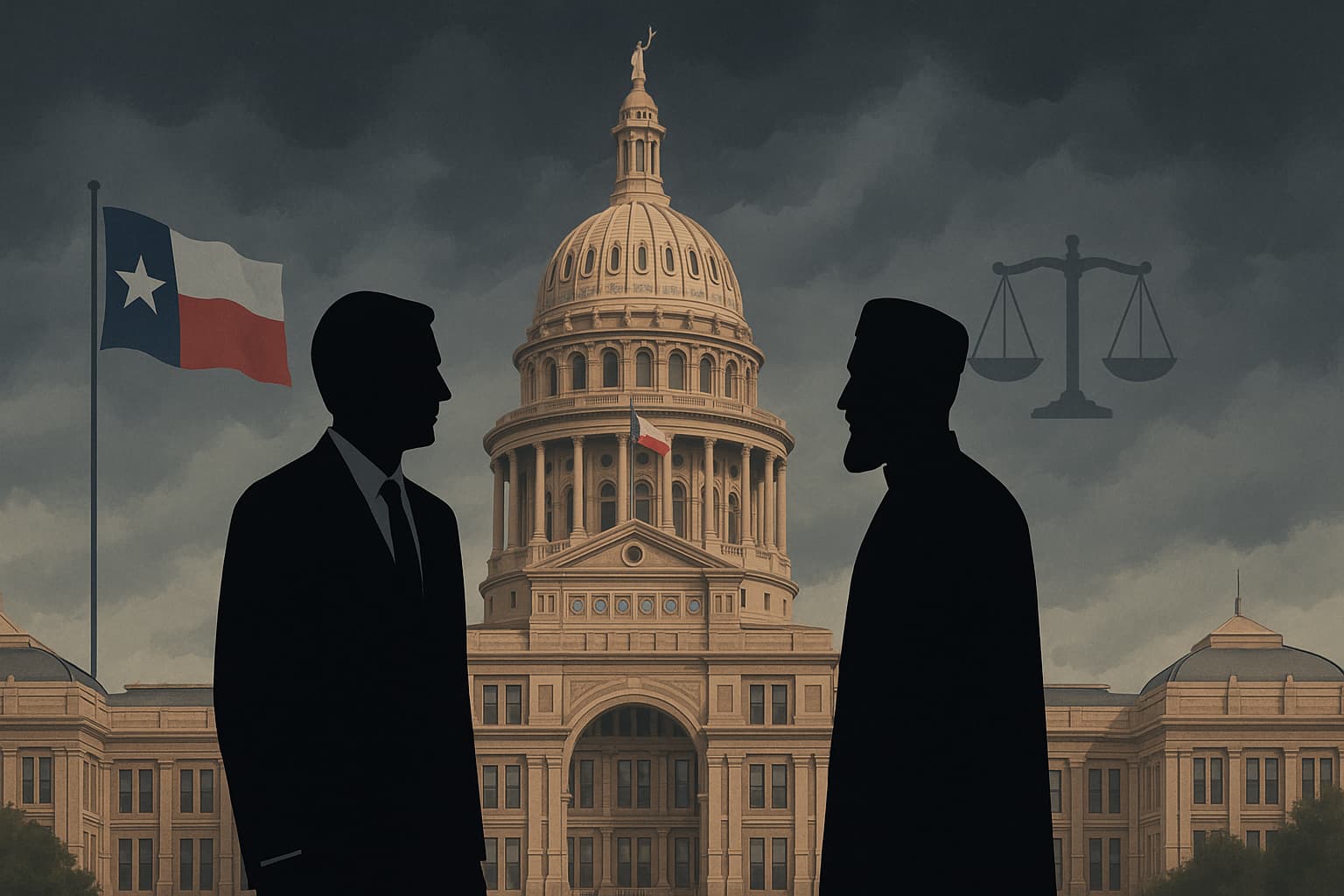
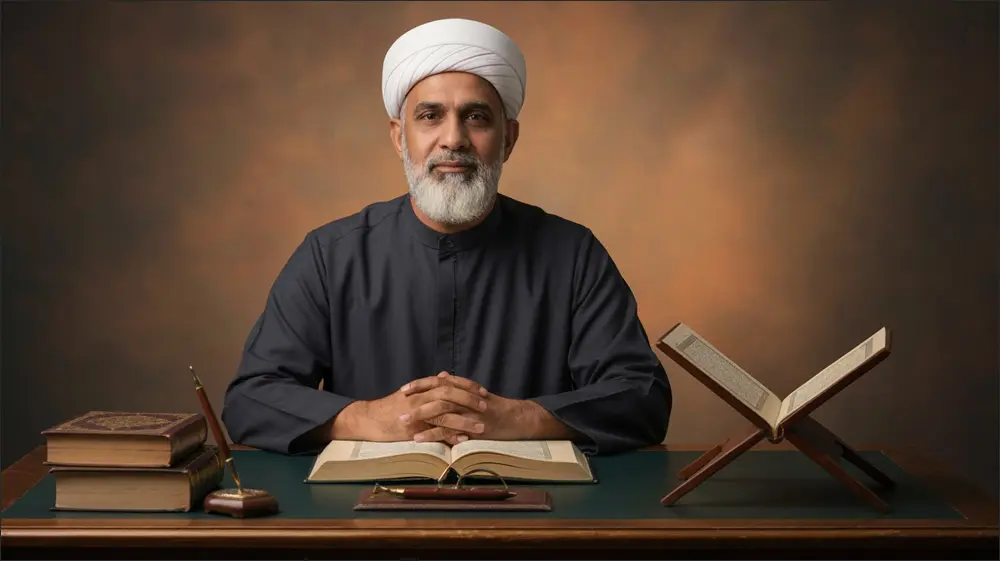
With sharia law often at the center of international conversations in 2026, demystifying what is sharia is vital for fostering greater awareness and understanding. Dive into this comprehensive overview to learn about its origins, scope, and significance in today’s world.
What Is Sharia? An Overview of its Definition and Origins in 2026
Sharia, commonly referred to as Islamic law, is a complex legal and ethical framework that guides the lives of Muslims worldwide. In essence, it encapsulates the moral code, religious duties, and legal principles derived from Islamic teachings. The term “sharia” translates roughly to “the way” or “the path” in Arabic, signifying the divine guidance for a righteous life.
As of 2026, sharia continues to influence both religious practices and legal systems across numerous countries, especially in the Middle East, North Africa, and parts of Southeast Asia. Understanding what is sharia involves recognizing its multifaceted nature—ranging from personal conduct and worship to criminal and civil jurisprudence. Its role varies significantly based on cultural, political, and societal contexts, with some nations implementing it fully as a state law, whereas others apply it predominantly to personal matters like marriage and inheritance.
Historical Development and Roots of Sharia Law
The origins of sharia trace back over 1,400 years to the 7th century Arabian Peninsula, emerging in the context of the Prophet Muhammad’s teachings and the subsequent establishment of the Islamic community. During Muhammad’s lifetime, sharia was not a formal legal code but a set of moral principles and community guidelines.
Following Muhammad’s death, scholars and jurists began to develop formal interpretations and legal rulings. The Golden Age of Islamic civilization, spanning roughly from the 8th to the 14th centuries, witnessed significant advancements in jurisprudence, theology, and legal thought. Prominent schools of Islamic law emerged, including the Hanafi, Maliki, Shafi’i, and Hanbali, each offering different methodologies for interpreting religious texts.
In the centuries that followed, these schools influenced the development of regional legal systems. In modern times, the colonial period and subsequent independence movements led to a variety of adaptations and reintegrations of sharia within national legal frameworks. Today, 2026 finds a diverse landscape where some countries coexist with secular laws, while others have integrated sharia more comprehensively, especially concerning family law and criminal justice.
Core Principles and Sources of Sharia: Quran, Hadith, and Jurisprudence
Primary Sources
- The Quran: Considered the literal word of God (Allah), the Quran is the most authoritative source of sharia. It provides directives on worship, morality, and social justice, serving as the foundation for Islamic law.
- The Hadith: These are collections of sayings, actions, and approvals of Prophet Muhammad. Hadiths complement the Quran by offering context and elaboration on various issues, especially in areas not explicitly detailed in the Quran.
Secondary Sources and Jurisprudence
- Ijma’ (Consensus): The collective agreement of Islamic scholars on legal issues, serving as a supplementary source when the primary texts are silent.
- Qiyas (Analogical Reasoning): Applying existing principles to new situations through logical analogy, crucial for adapting sharia to modern contexts.
Core Principles
The principles underpinning sharia include justice (‘adl’), mercy (‘rahmah’), public interest (maslahah), and the divine sovereignty of Allah. These principles guide jurists in interpreting texts and issuing rulings that align with ethical and societal needs.
Misconceptions About Sharia Law in 2026
Despite its longstanding history, many misconceptions about sharia persist globally, often fueled by media portrayals and political rhetoric. It’s vital to differentiate between the diverse interpretations and implementations of sharia across countries and communities.
Common Misunderstandings and Clarifications
- Sharia is solely about harsh punishments: While sharia includes provisions for criminal justice, especially regarding theft and adultery, many applications are misunderstood. In practice, most Muslim-majority countries focus primarily on personal matters like marriage, divorce, and inheritance, with criminal punishments being rare and often optional or context-dependent.
- Sharia opposes Western legal systems: Not necessarily. Many Muslim-majority countries blend sharia with secular laws, and some judges incorporate Islamic principles within a broader legal framework. Sharia’s primary concern is morality and justice, which can coexist with diverse legal systems.
- All Muslims interpret sharia the same way: There is significant diversity in interpretation, influenced by cultural, historical, and regional factors. Different schools of thought and local customs shape how sharia is understood and practiced.
Finally
Understanding what is sharia is essential for fostering mutual respect and informed dialogue in 2026. Recognizing its origins, principles, and the diversity of its application helps dispel misconceptions and promotes a nuanced perspective. As global societies continue to evolve, ongoing scholarly dialogue and inclusive discussion will be vital in shaping the future role of sharia within diverse legal and cultural landscapes.
By embracing an informed viewpoint, individuals and policymakers can contribute to more constructive conversations about Islamic law, ensuring that perceptions align with reality and respect for different legal traditions is maintained in our interconnected world.
About the Author

O mankind! We created you from a single (pair) of a male and a female, and made you into nations and tribes, that ye may know each other (not that ye may despise (each other). Verily the most honoured of you in the sight of God is (he who is) the most righteous of you. And God has full knowledge and is well acquainted (with all things). ~ Quran 49:13