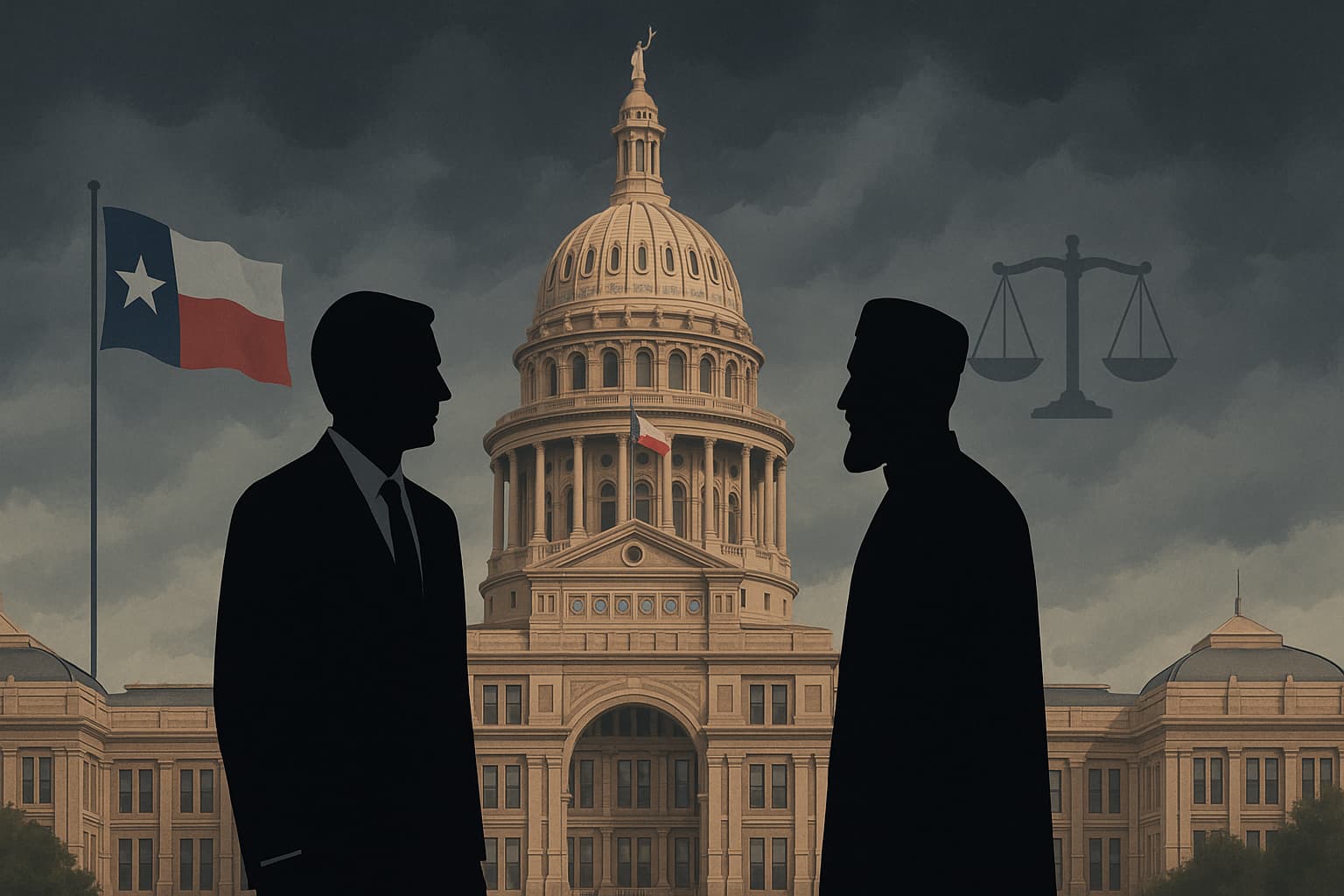
Governor Abbott’s Push Against Sharia Law in Texas
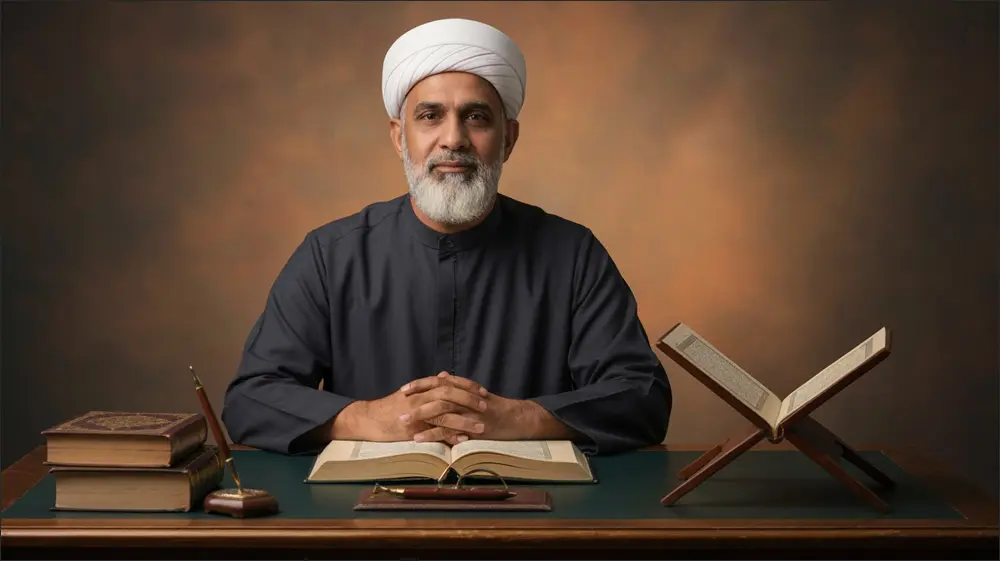
Texas Governor Greg Abbott has introduced legislation banning the practice of Sharia law in Texas. The decision followed a campaign by Imam F. Qasim ibn Ali Khan of Masjid At-Tawhid, who is affiliated with the Nation of Islam.
Imam Khan has confronted Muslim-owned businesses across the state, urging them to stop selling alcohol, pork, and lottery tickets. Videos of these confrontations have spread widely on social media, sparking debates over religious freedom and state law.
Governor Abbott directed law enforcement agencies to monitor Sharia compliance efforts, stating: “I signed laws that ban Sharia Law and Sharia Compounds in Texas. No business and no individual should fear intimidation like this.” Abbott emphasized that Texas recognizes equal rights under one legal system, rejecting any alternative system.
Civil Rights Groups and CAIR Respond
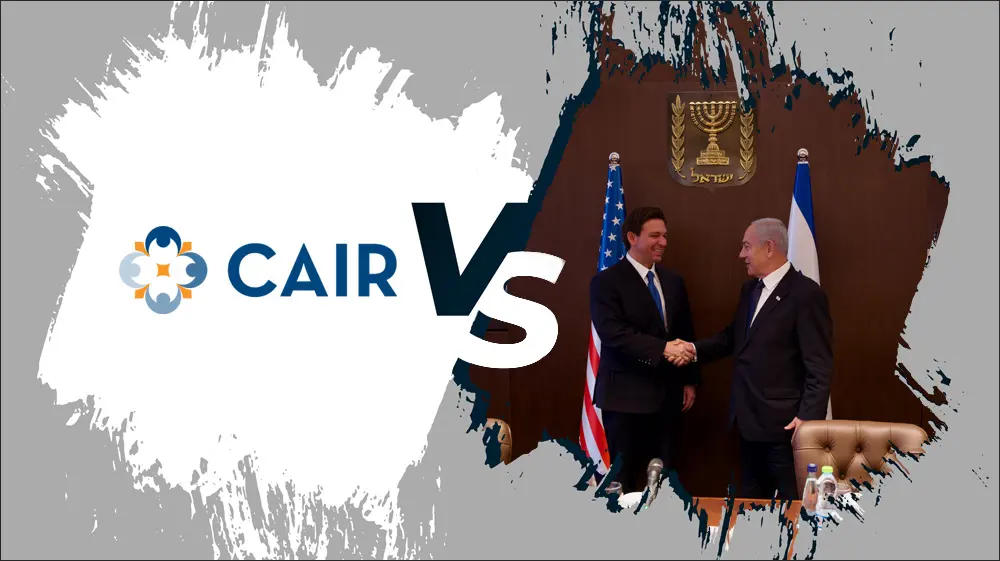
The Council on American-Islamic Relations (CAIR) condemned Abbott’s measures, labeling them “fearmongering.” The group stressed that Sharia is not a parallel legal system but refers to personal religious practices such as prayer, fasting during Ramadan, charitable giving, and speaking out against injustice.
CAIR stated, “When Texas Muslims pray, donate to charity, or observe Ramadan, they are practicing Sharia. To claim Sharia is banned in Texas misleads the public and stigmatizes Muslims.”
CAIR’s response underscores the tension between political rhetoric and Muslim religious practices in the United States.
Imam Khan’s Nationwide Campaign
Imam Khan has framed his movement as a call for accountability within Muslim communities. He announced plans to expand the campaign nationwide, targeting Muslim businesses that sell haram (forbidden) products.
Khan declared, “We’re launching a national protest and demonstration campaign against all Muslim-owned businesses that continue to sell haram items. This is the start of a movement. We’re telling America and the world: enough is enough.”
His initiative has fueled a national debate over Islam in the U.S., raising questions about religious activism, freedom of expression, and how these issues intersect with American politics.
Broader Impact on Religion and Politics
This clash between Abbott and Khan highlights a larger conversation about the role of religion in public life, particularly when political leaders frame Islamic practice as a threat. Civil rights groups warn that such measures reinforce negative stereotypes, while supporters argue the laws protect Texans from external pressures.
The Texas Sharia law debate continues to stir discussions on religious freedom, civil rights, and political messaging across the nation.
About the Author

O mankind! We created you from a single (pair) of a male and a female, and made you into nations and tribes, that ye may know each other (not that ye may despise (each other). Verily the most honoured of you in the sight of God is (he who is) the most righteous of you. And God has full knowledge and is well acquainted (with all things). ~ Quran 49:13