Emergence of the Phrase in the 19th Century
The phrase “Judeo-Christian tradition” first emerged in the 19th century, serving as a way to distinguish the two monotheistic faiths, Judaism and Christianity, from other religious systems. Its inception is often connected to a growing recognition of how intertwined these faiths became through centuries of cultural and social exchanges.
In the 1800s, this phrase began to reflect a unique identity, particularly in Western societies striving for moral and ethical frameworks that aligned with modern values. Advocates argued that the shared heritage offered a common ground to foster mutual respect and understanding between Jews and Christians. Consequently, the term provided a foundation upon which many sought to argue against the rising tide of secularism.
This adoption of the term allowed for various reinterpretations, influencing various aspects of society. For example, certain political movements in Europe seized upon the phrase to promote unity against perceived foes of traditional values.
- Key Points to Note:
- The phrase aims to highlight shared values such as ethics and morality.
- It played a role in combating rising secularism.
- The 19th-century context set a precedent for political and social use of the term.
Political Nuance in the 1930s
Fast forward to the 1930s, the “Judeo-Christian tradition” took on an even more pronounced political nuance as a response to the alarming rise of antisemitism across Europe. Organizations in the United States, such as the National Conference of Christians and Jews, utilized the term to champion tolerance and promote a united front against neo-fascist movements, which had begun gaining traction.
In this context, the phrase symbolized solidarity among both faiths, aimed at countering bigotry and hatred. The underlying message was clear: a shared religious and moral foundation could resist the burgeoning forces of fascism. It wasn’t merely a theological discourse; it became a rallying cry emphasizing community and shared values in an increasingly fragmented world.
- Significant Elements:
- The term helped counteract antisemitic sentiments.
- It unified religious communities in the face of political extremism.
- The 1930s marked a key transformation into a symbol of resistance against intolerance.
Thus, the emergence and evolution of the “Judeo-Christian tradition” reflect an intricate tapestry interwoven with historical events, societal values, and political landscapes, illustrating how language evolves to meet the needs of the times.
The Modern Politicization of the Term
Exclusion of Islam from the Tradition
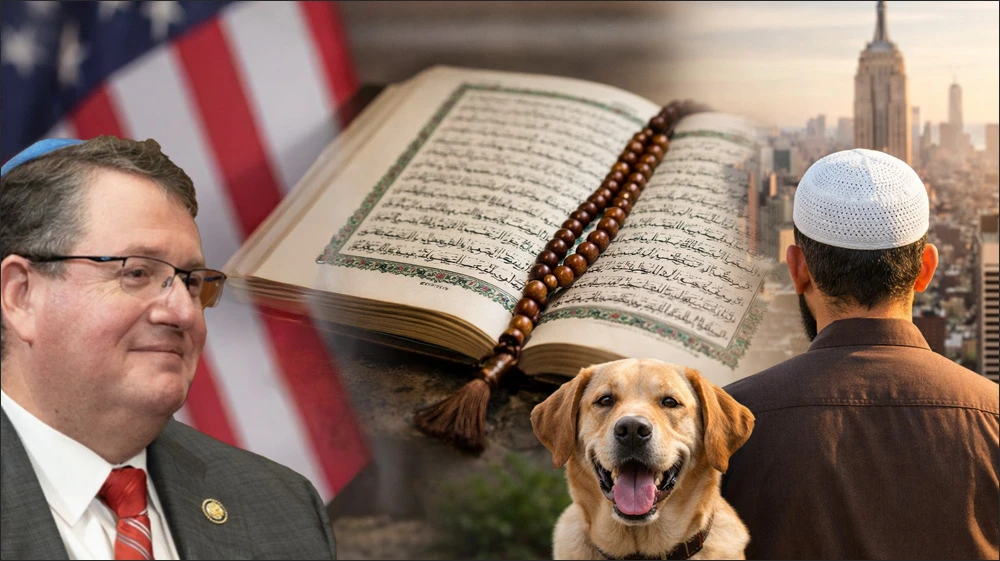
The term “Judeo-Christian tradition” has increasingly become a controversial and politicized phrase, especially in contemporary discourse. One of the most glaring issues is its exclusion of Islam, the third Abrahamic faith that shares much of its theological foundation with the other two. This exclusion raises questions about the underlying motivations of those who advocate for this term.
- Key Points regarding the Exclusion:
- The Abrahamic religions shared history: Judaism, Christianity, and Islam all stem from a common historical and theological root.
- The perception of Islam: By framing American society as predominantly Judeo-Christian, there’s a risk of perpetuating a narrative that sidelines an increasingly significant part of America’s religious landscape.
- Cultural impact: The exclusion of Islam from this narrative not only discredits the diverse American experience but also contributes to a subtle form of cultural racism that disregards Islamic contributions to society.
Personally, it’s disheartening to see that while the country celebrates its diversity, significant religious narratives often fail to reflect that inclusivity. It’s almost as if by favoring a “Judeo-Christian” lens, we create a dichotomy that can foster division rather than unity.
Connection to Gun Control Debates
The term “Judeo-Christian tradition” has also crept into the heated debates surrounding gun control. Some political figures leverage this phrase to argue against stricter gun regulations, claiming that the founding of America is rooted in these religious values.
- Notable Instances:
- A Texas Republican congressman explicitly stated, “The United States of America has always had guns. It’s our history. We were built on the Judeo-Christian foundation and with guns.”
This statement illustrates how the term can be utilized to support a particular ideological agenda. It simplifies complex societal issues like gun control into a cultural heritage argument, obscuring the real conversations about safety and legislative responsibility.
- Considerations:
- Oversimplifying History: This view reduces the dynamic and nuanced history of America’s societal values, relegating them to a simplistic dichotomy of law and morality.
- Engaging in Compromise: The challenge lies in recognizing that while shared values may exist, they do not necessarily dictate specific political stances, especially on divisive issues like gun control.
As we navigate these complex discussions, it becomes increasingly vital to scrutinize how terms like the “Judeo-Christian tradition” are wielded, ensuring they foster inclusive dialogue rather than perpetuating division.
Judeo-Christian Tradition and Abortion
Varied Perspectives in Judaism and Christianity
When discussing the Judeo-Christian tradition, it’s vital to explore how both religions address complex issues such as abortion. While proponents of the “Judeo-Christian tradition” often present a unified ethical stance, the reality is far more nuanced.
- Diverse Views:
- Christianity: Various denominations interpret biblical teachings regarding life and morality differently. While some embrace a strictly pro-life stance, others allow for exceptions, emphasizing compassion and the well-being of the mother.
- Judaism: In contrast, Jewish teachings traditionally prioritize the health and life of the mother over the fetus. This difference is significant and illustrates that there isn’t a single, coherent “Judeo-Christian” stance on abortion.
This lack of uniformity reveals that both faiths possess multiple interpretations and values that impact their followers’ beliefs and practices surrounding this sensitive topic.
Understanding Jewish Views on Abortion
Diving deeper into Jewish perspectives brings clarity to how abortion is viewed within the faith. Unlike Christianity, Judaism does not hold a dogmatic view that life begins at conception.
- Key Points:
- Mother’s Life First: In Jewish law, the life of the mother takes precedence. If a pregnancy endangers her life—physically or mentally—abortion is not just permitted; it may be deemed mandatory.
- Legal Interpretation: Jewish law relies heavily on rabbinic interpretation. Therefore, situations regarding abortion are evaluated on a case-by-case basis, reflecting thoughtful consideration rather than a rigid rule.
This more flexible approach invites dialogue rather than strict adherence to doctrine, embodying the very Jewish values of education, interpretation, and debate. Acknowledging these differences is crucial for understanding the complexity of abortion ethics in the context of the so-called Judeo-Christian tradition, demonstrating that it is perhaps more of a myth than a cohesive reality.
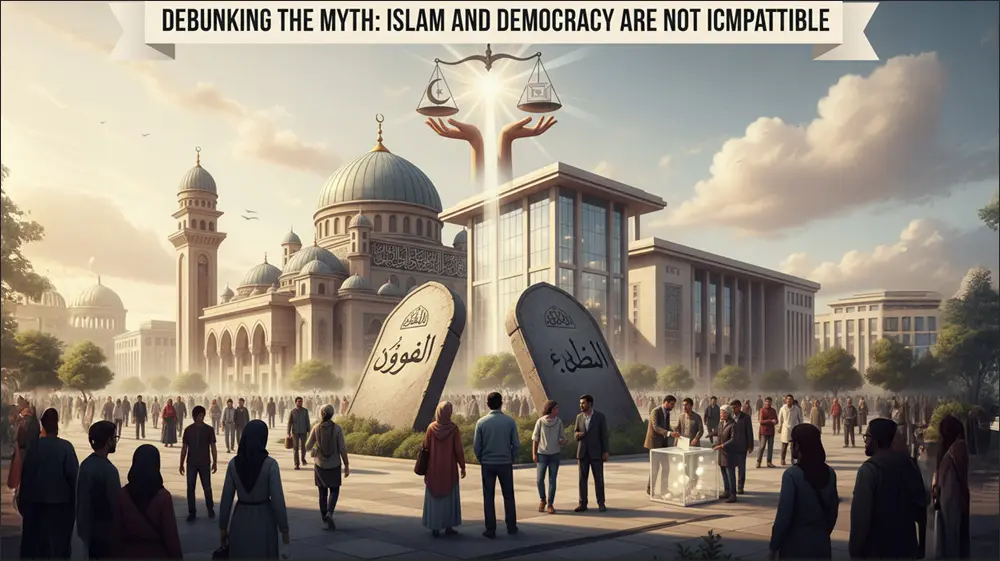
Debunking the Myth of the Judeo-Christian Tradition
Critique of the Idea
As the concept of a “Judeo-Christian tradition” takes center stage in political and social rhetoric, many are beginning to scrutinize its validity. Advocates often tout this tradition as a bedrock of American values, but this portrayal oversimplifies a complex relationship between Judaism and Christianity.
- Points of Critique:
- Historical Simplicity: The term glosses over significant theological and cultural differences that exist between the two faiths.
- Theological Contradictions: For instance, the Christian doctrine of original sin finds no parallel in Judaism, which celebrates human agency and the potential for goodness.
- Exclusivity: By emphasizing a “Judeo-Christian” framework, proponents may inadvertently silence other religious narratives that contribute to American society.
This critique raises essential questions: Is this term a genuine reflection of shared values, or is it merely a tool for political manipulation?
Rejection by Many Jewish Writers
The term has been met with widespread rejection amongst Jewish writers and scholars, who emphasize that it lacks authentic representation of Jewish beliefs and practices.
- Reasons for Rejection:
- Cultural Dissonance: Many Jewish thinkers argue that the term fails to encapsulate the rich and diverse tapestry of Jewish life, which often diverges sharply from Christian ideology.
- Ethical Differences: Observations have been made that while there are valuable ethical teachings shared, when it comes to critical issues—like abortion or social justice—the Jewish perspective is often misrepresented or overshadowed.
- Artifice of Unity: This perceived unity has been characterized as a “myth” that overlooks individual narratives, turning complex identities into simplistic affiliations.
In the end, the chorus of dissent among Jewish intellectuals serves as a reminder that dialogue and understanding are nuanced and that the idea of a “Judeo-Christian tradition” may be more of a political construct than a genuine representation of faith. The need for skepticism and open discourse is paramount as society navigates these intertwined identities.
Implications of the Discussion
In light of the various points raised about the “Judeo-Christian tradition,” it’s clear that the term carries significant weight in both religious and political spheres. However, as explored throughout this discussion, it is fraught with simplifications and misconceptions.
Reflecting on Complexity
The phrase “Judeo-Christian tradition” is often employed to create a sense of unity and shared values between Judaism and Christianity, yet it often overlooks the rich complexities and differences that define each faith. As advocates use this term to assert dominance over certain ethical debates—such as abortion and gun control—it risks reducing multifaceted moral conversations to binary classifications.
- Key Takeaways:
- The exaggerated emphasis on shared values may inadvertently stifle the voices of those within these faiths who hold diverse views.
- The exclusion of Islam from this dialogue is particularly concerning in today’s increasingly pluralistic society, potentially reinforcing divides instead of fostering understanding.
Looking Ahead
As society grapples with these intertwined religious identities, it’s crucial that discussions are rooted in genuine understanding rather than political rhetoric. Looking to the future, encouraging dialogue among different faiths is essential—not just for the sake of harmony but for cultivating a richer moral and ethical discourse.
Ultimately, acknowledging the myth of a cohesive “Judeo-Christian tradition” compels us to be more inclusive, recognizing the diverse voices that contribute to the American tapestry. Through education, interpretation, and open debate, we can foster a society that values complexity and embraces all corners of religious belief, and that’s something everyone can aspire to.
About the Author

O mankind! We created you from a single (pair) of a male and a female, and made you into nations and tribes, that ye may know each other (not that ye may despise (each other). Verily the most honoured of you in the sight of God is (he who is) the most righteous of you. And God has full knowledge and is well acquainted (with all things). ~ Quran 49:13